

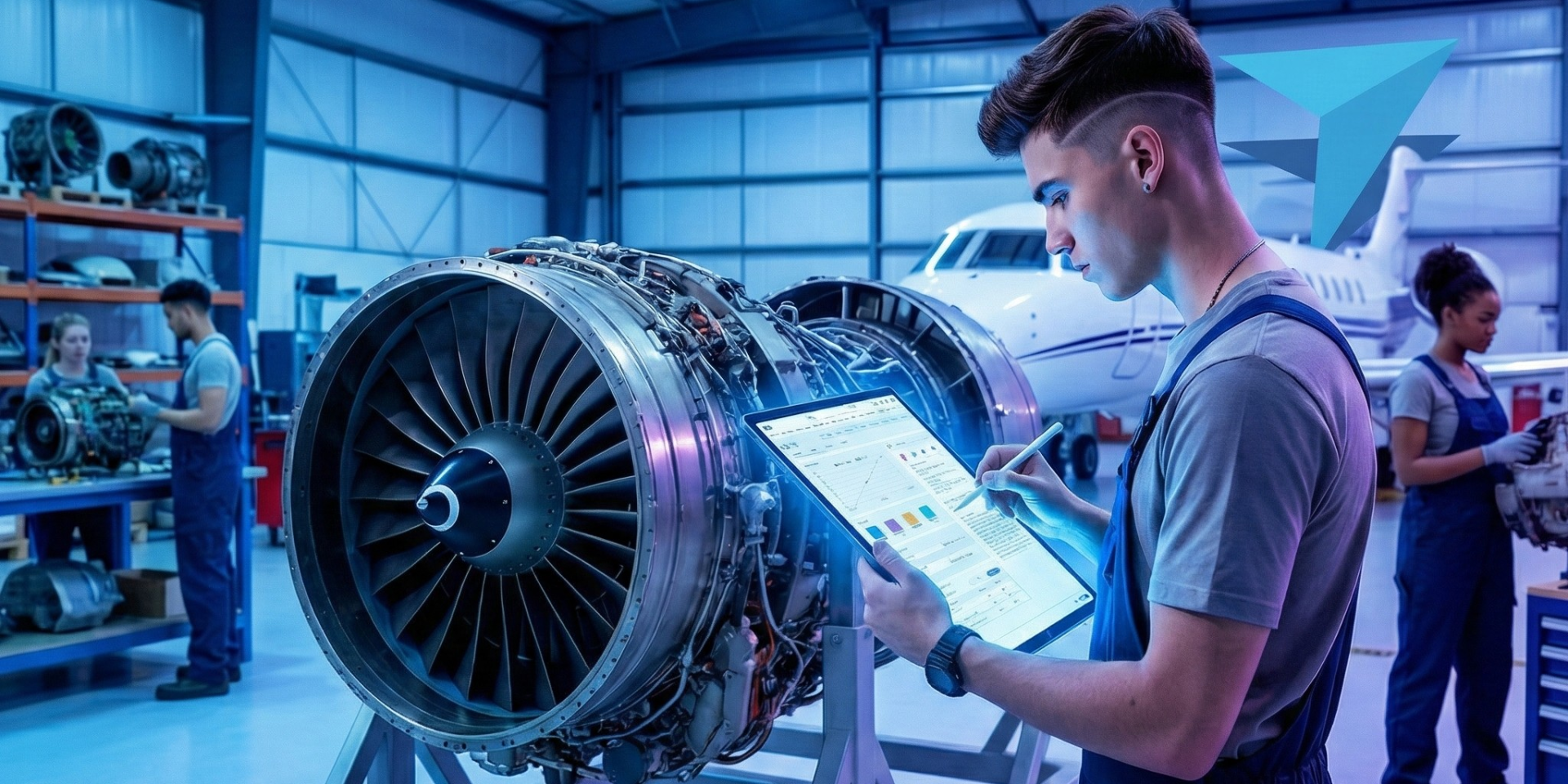
The Gen Z Mechanic: Why Mobile-First ERPs Are the Only Real Answer to the Aviation Labor Shortage
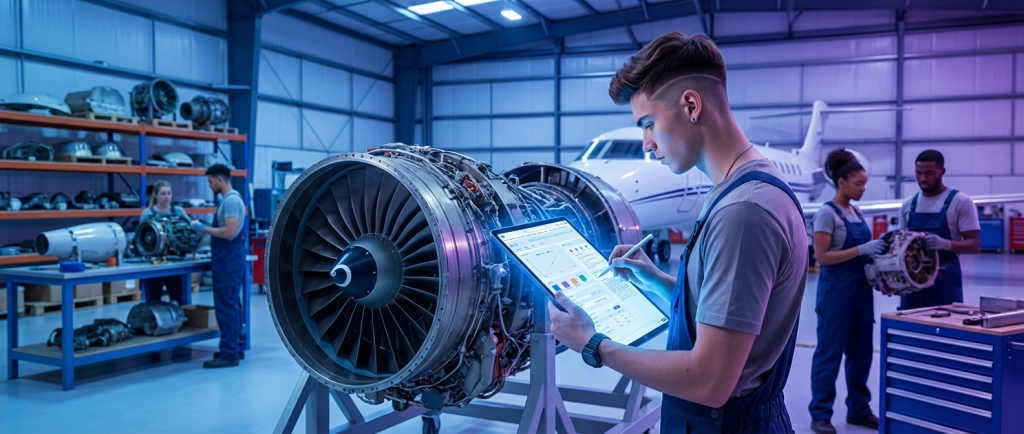
The aviation industry isn’t just facing a labor shortage. It’s facing a generational shift.
Over the next decade, the maintenance workforce will fall short by tens of thousands of technicians. At the same time, a new generation of mechanics is entering the field with very different expectations about how to get work done. For MRO leaders and operators, this creates a hard truth: solving the labor crisis isn’t only about hiring more people. It’s about keeping the ones you already have and helping them work effectively from day one.
That’s where mobile-first ERP systems are becoming more than a technology upgrade. They’re turning into a workforce strategy.
Gen Z Is Entering the Hangar With New Expectations
Gen Z now makes up the majority of students in aviation maintenance training programs. Unlike previous generations, they’ve grown up using smartphones, apps, and intuitive digital tools for almost everything.
Research highlighted by AIN Online, citing PwC’s Future of Work data, shows that 77% of Gen Z workers expect their workplace to offer modern, cutting-edge technology, compared to just 58% of Gen X. When new technicians encounter green-screen systems, paper task cards, or software that feels decades old, it sends a message that the workplace hasn’t kept up.
Industry training experts at APATS 2025 echo this shift. They note that Gen Z learners respond best to technology-enabled, visual, and interactive environments. Legacy tools don’t just slow them down; they feel disconnected from how this generation learns and works.
For aviation businesses, outdated systems not only slow onboarding but also compromise safety and retention. Modern mobile-first ERPs enhance safety by reducing errors and improve retention by aligning with Gen Z expectations, making them essential for strategic workforce stability.
Bad Software Isn’t Just Frustrating, It Can Be Unsafe
In aviation maintenance, usability isn’t about convenience. It’s about focus and safety.
Studies from Liberty University and the U.S. Air Force show that poor interface design increases cognitive load, diverting attention from the aircraft itself. Technicians using modern digital tools made 53% fewer errors without increasing task time. In other words, better interfaces help mechanics think less about the software and more about the work.
The industry agrees. Veryon’s 2025 Aviation Maintenance Benchmark Report lists poor user interfaces as one of the top challenges maintenance teams face today. Confusing systems increase training time, slow down workflows, and raise the risk of errors.
Mobile-first design changes that dynamic. Clear screens, guided workflows, and real-time updates empower technicians and reduce mental friction, keeping them focused on doing the job right.
Mobile Workflows Create “More Workforce” Without Hiring
The productivity impact of mobile tools is hard to ignore.
Research from Clarity Airframe and Oxmaint shows significant productivity gains–up to 35%- by adopting mobile-enabled workflows. Including specific case studies or examples of organizations that successfully transitioned can reinforce the practical benefits and encourage adoption among industry decision-makers.
In practical terms, that means:
- Less time walking back and forth to terminals
- Fewer delays waiting on paperwork
- Faster task completion on the aircraft
- Quicker ramp-up for new hires
For organizations struggling to hire experienced technicians, this matters. Mobile-first systems effectively increase capacity for teams without adding headcount.
Mobile-First Is a Retention Strategy, Not an Option
The next generation of aviation technicians isn’t asking for luxury features. They’re asking for tools that make sense.
When systems are easy to use:
- New technicians become productive faster
- Experienced mechanics spend less time on admin work
- Errors decrease
- Job satisfaction improves
In an industry under constant pressure, mobile-first ERP systems help aviation businesses compete for talent, improve safety, and derive greater value from their existing workforce.
Nobody will solve the labor crisis overnight. But giving Gen Z mechanics the tools they expect and deserve is one of the most practical steps aviation organizations can take right now.
Why Mobile-First ERP Matters More Than Mobile Apps Alone
Many organizations try to patch the problem by adding standalone mobile tools. The challenge is that disconnected apps still force technicians and planners to jump between systems.
A mobile-first ERP like AvSight offers a unified system that integrates maintenance, inventory, and compliance, but organizations may face challenges such as initial costs or change management. Addressing these barriers upfront can help industry leaders see the long-term ROI and ease of transition.
This is where platforms like AvSight come in. AvSight is purpose-built for aviation, with mobile workflows that support technicians at the wingtip, not just planners at a desk. Digital task cards, mobile time tracking, real-time inventory visibility, and intuitive interfaces reduce training time and daily friction.
Just as importantly, mobile functionality within a unified system that handles parts, work orders, compliance, and reporting helps technicians feel supported and less overwhelmed, building trust in the technology and reducing frustration.
Experience AvSight for Yourself
Request a demo to see how our next generation aviation platform can give your company a competitive edge.
Request A Demo